
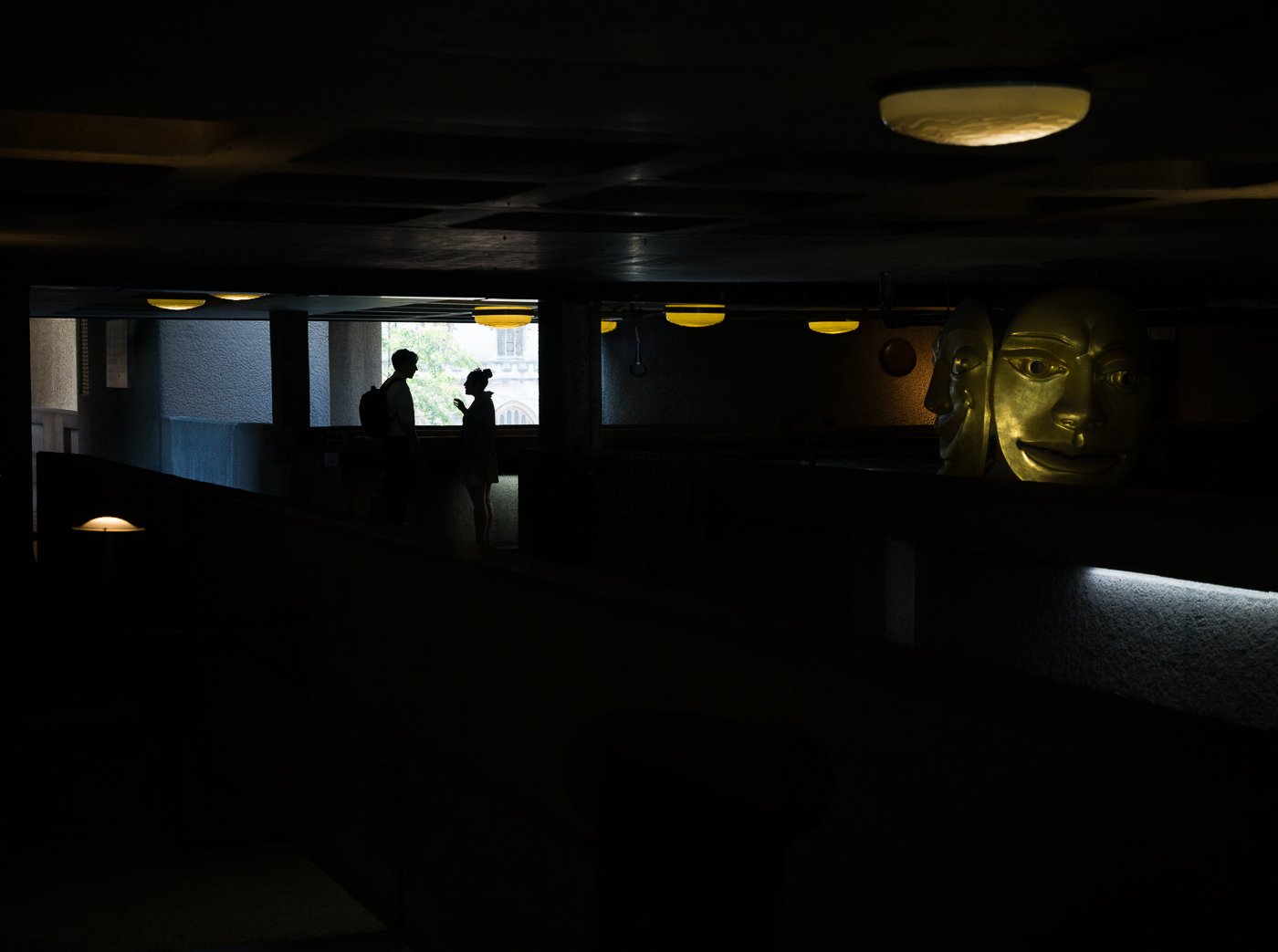
Photography tuition is sometimes described as a list of technical subjects: aperture, shutter speed, ISO, focusing and composition. These things matter, but covering them is not the same as learning to use them. An effective private session connects technique to the photographs a particular student wants to make.
I offer individual photography tuition in London and online. Sessions can start with camera fundamentals, concentrate on a particular photographic discipline or examine why technically correct pictures are not yet visually convincing.
Who benefits from a private lesson?
Beginners often want to stop relying on Auto mode and understand why photographs come out blurred, too dark, out of focus or different from the image they imagined.
Intermediate photographers may know the exposure triangle but struggle to recognise strong compositions, use their lenses deliberately or choose appropriate settings quickly.
More experienced photographers may want concentrated help with architectural composition, long exposure, minimalism, maximalism or post-production. The most useful lesson is not necessarily the most advanced one: it is the one that tackles your current obstacle.
What happens before the session?
I ask about your experience, camera and lenses, the type of photography you enjoy and what you would most like to improve. From that, I can suggest a focus and — for location teaching — an area that gives us the right subjects without spending most of the session travelling.
If possible, choose one main goal rather than an unmanageable list. “I want to understand why my building photographs lack impact” is more productive than “I want to master photography in two hours.”
What might we cover on location?
Beginner session: take control of the camera
We might start with how aperture, shutter speed and ISO interact, how to choose an autofocus mode, how to check exposure and how to distinguish subject movement from camera shake. The aim is to make decisions independently rather than memorise one set of numbers.
Architecture session: see the building differently
We can concentrate on geometry, perspective, camera position, frame edges, light and the difference between a descriptive record and a stronger personal composition. London offers excellent material, including the City and the Barbican. See my architectural photography guide for examples of how different areas reward different approaches.
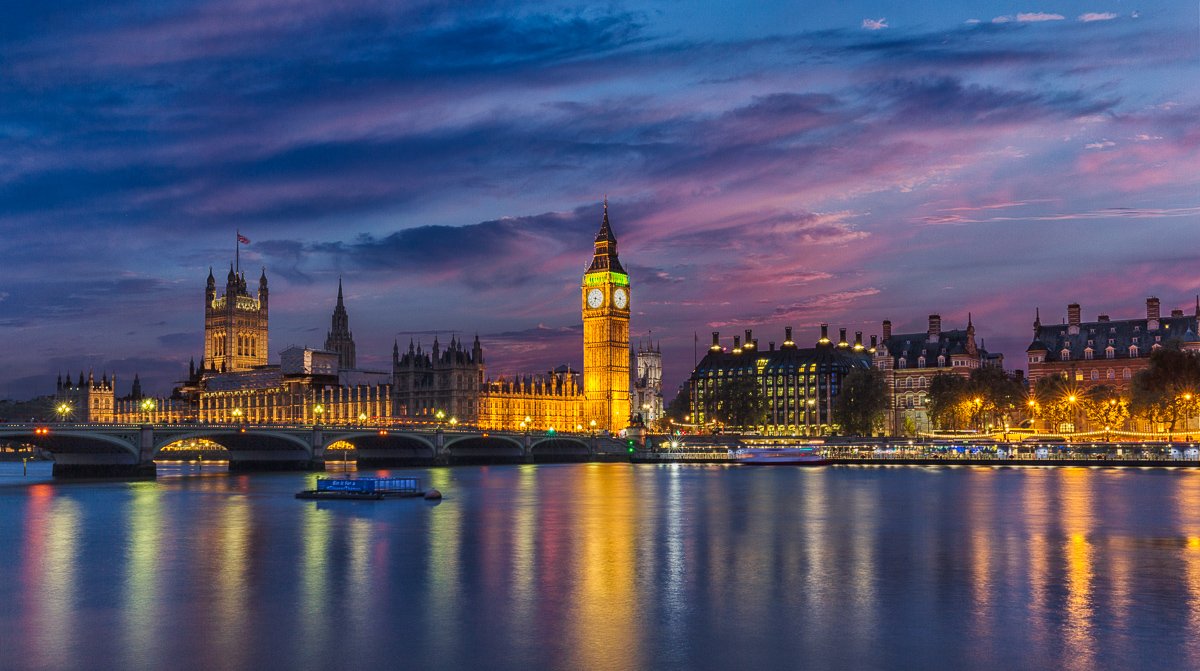
Long exposure session: control movement
We can work on the relationship between moving cloud, water or traffic and a static subject, as well as ND filters, focus, exposure calculation and tripod stability. The objective is not to make the longest exposure possible, but to recognise when extended time improves the photograph. See my London long exposure guide.
Composition session: make stronger choices
We might work from one location and deliberately explore several very different compositions. This is especially effective when a photographer can make a competent first frame but finds it difficult to move beyond it. My Barbican exercise shows how that works in practice.
How much time should you allow?
The format depends on what you want to achieve. The current tuition page sets out the available options and fees. A focused two-hour lesson is a sensible starting point for many photographers; a longer session can be more appropriate for specialist practical work or when you want to combine shooting and image review.
More time does not automatically mean more learning. It is better to finish with two or three clear improvements that you can apply independently than to cover twelve subjects you will struggle to remember.
What to bring to a London photography lesson
- Your normal camera and the lens or lenses you actually use.
- A charged battery and spare if you have one, plus a formatted memory card.
- Any filters or tripod you use, especially for long exposure teaching.
- Three to six photographs that represent the kind of work you want to make — or difficulties you repeatedly encounter.
- Clothing suited to the weather and comfortable walking shoes for location tuition.
You do not need to buy additional equipment before booking. In many cases, understanding the camera you own will be the more useful investment.
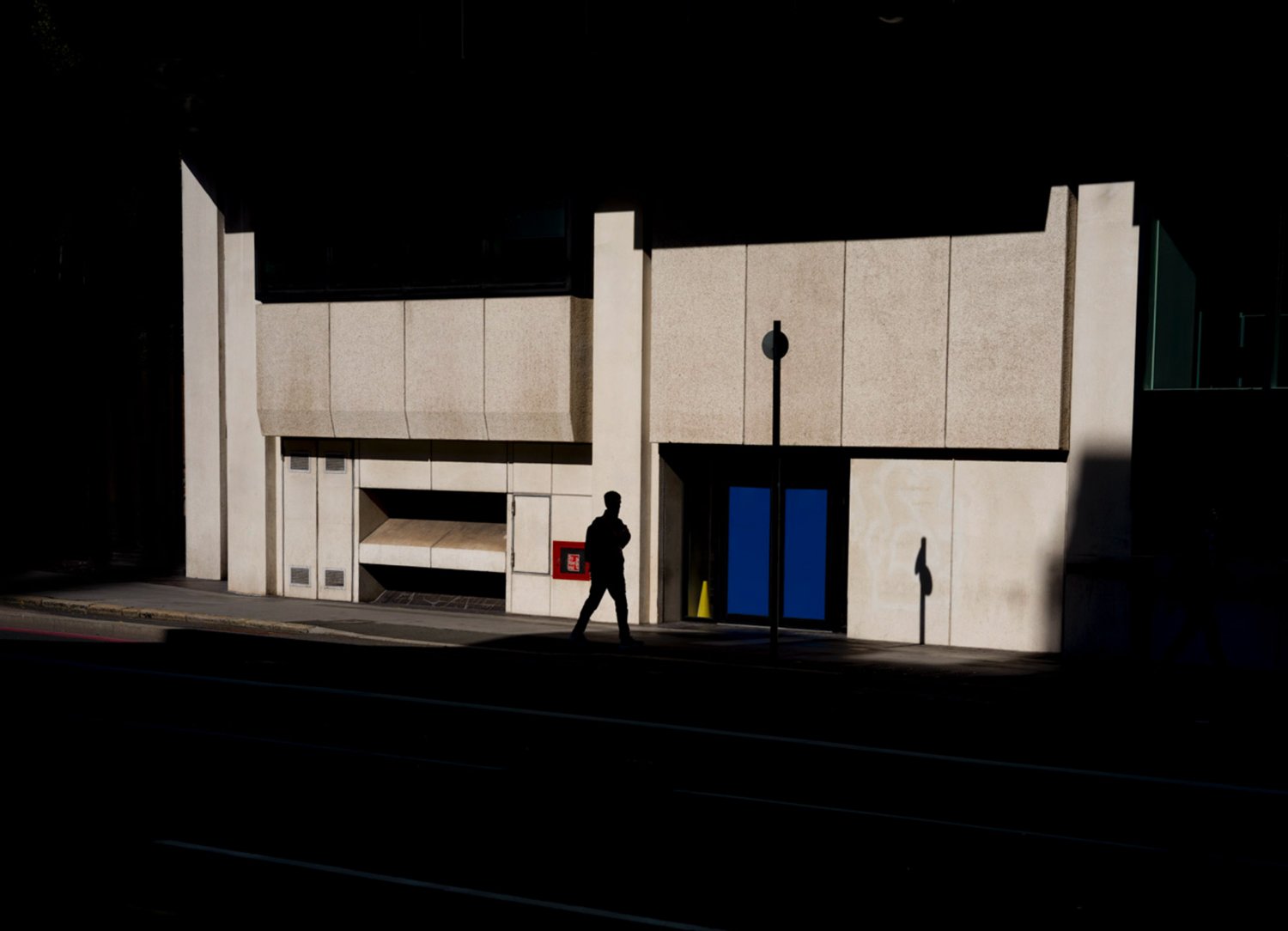
What should you be able to do afterwards?
A good session should leave you with a more repeatable process. You should understand which settings matter for the photographs you are making, what you need to check before pressing the shutter and how to assess the result. I include follow-up notes with my standard private tuition so you can practise the relevant points afterwards.
For photographers whose main challenge is no longer camera technique but developing a body of work, a portfolio review or mentoring session may be a better fit. That concentrates on selection, sequencing, visual direction and project development rather than teaching camera controls.
Before making an enquiry
It helps to include your general level, camera equipment, a preferred date or period, and two or three sentences on what you want to improve. If you are visiting London, mention where you will be staying or the areas you are interested in. It allows me to propose a useful format rather than a generic route.
Arrange a private photography lesson in London
Tell me about your experience, equipment and the photographs you want to make. I can then suggest the most suitable session length, focus and location.